
Bharatanatyam, one of the oldest classical dance forms of India, has long been celebrated for its grace, expressive storytelling, and intricate footwork. Originating from Tamil Nadu, this ancient art form has maintained its traditional roots while also evolving to adapt to contemporary contexts. In recent years, Bharatanatyam has made a significant impact on the world of contemporary dance, creating a fascinating intersection between tradition and modernity. This article explores how Bharatanatyam is being reinterpreted in contemporary dance, its influence on modern performances, and the ways in which it continues to evolve while preserving its rich heritage.
1.1 The Essence of Bharatanatyam
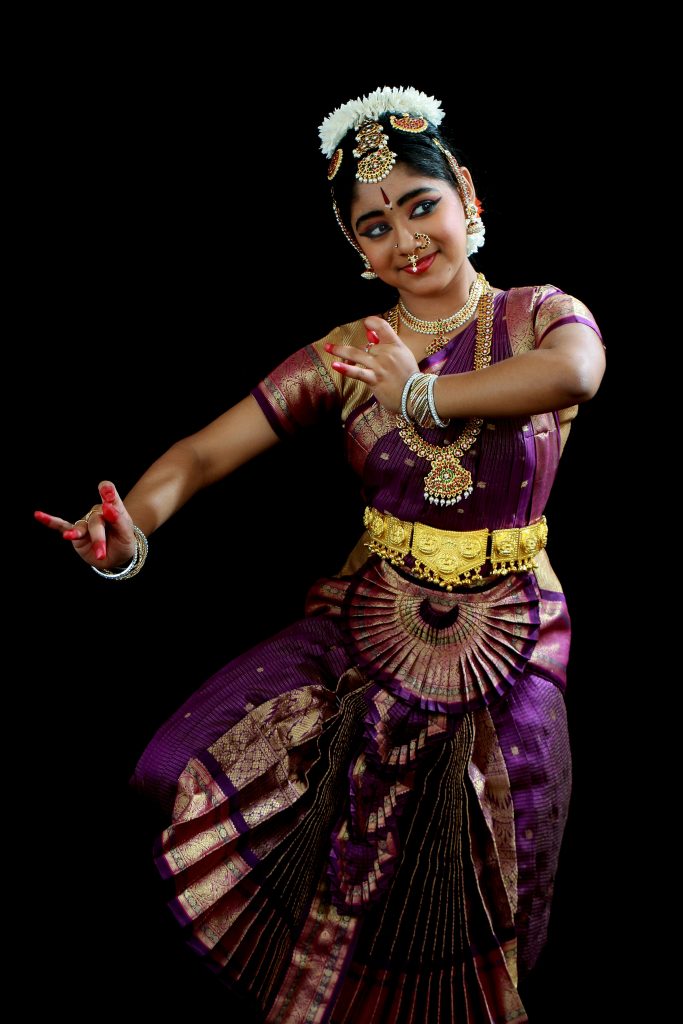
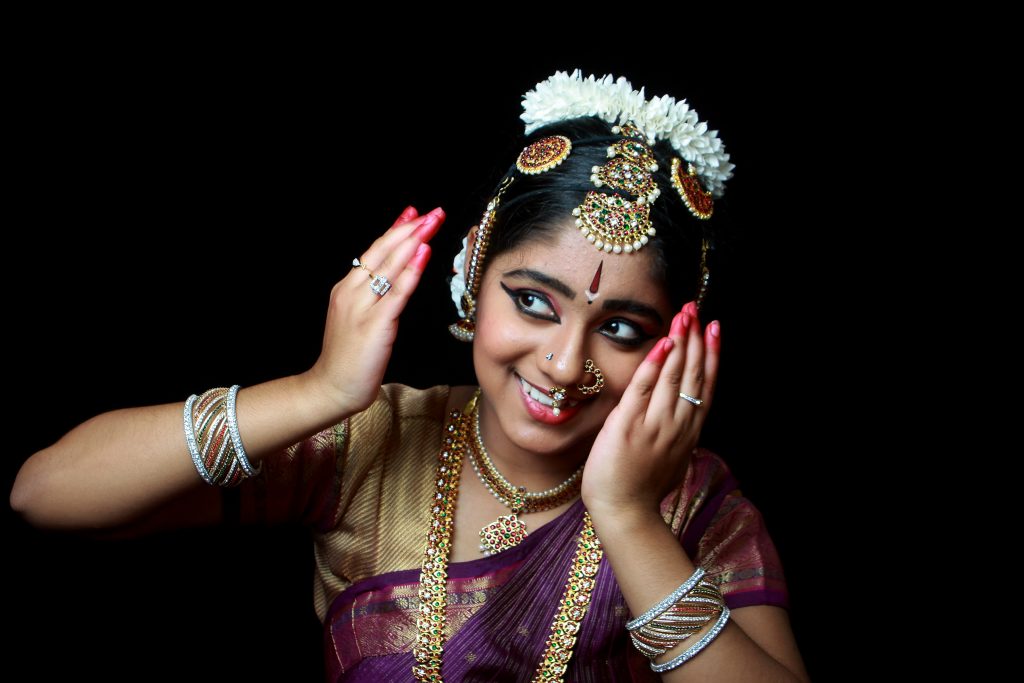
Bharatanatyam is characterized by its elaborate movements, expressive gestures (known as mudras), and storytelling through dance. Traditionally performed by female dancers known as devadasis in temples, Bharatanatyam incorporates elements of Hindu mythology, poetry, and music. Its key components include nritta (pure dance), nritya (expressive dance), and natya (drama), which together create a complete narrative experience.
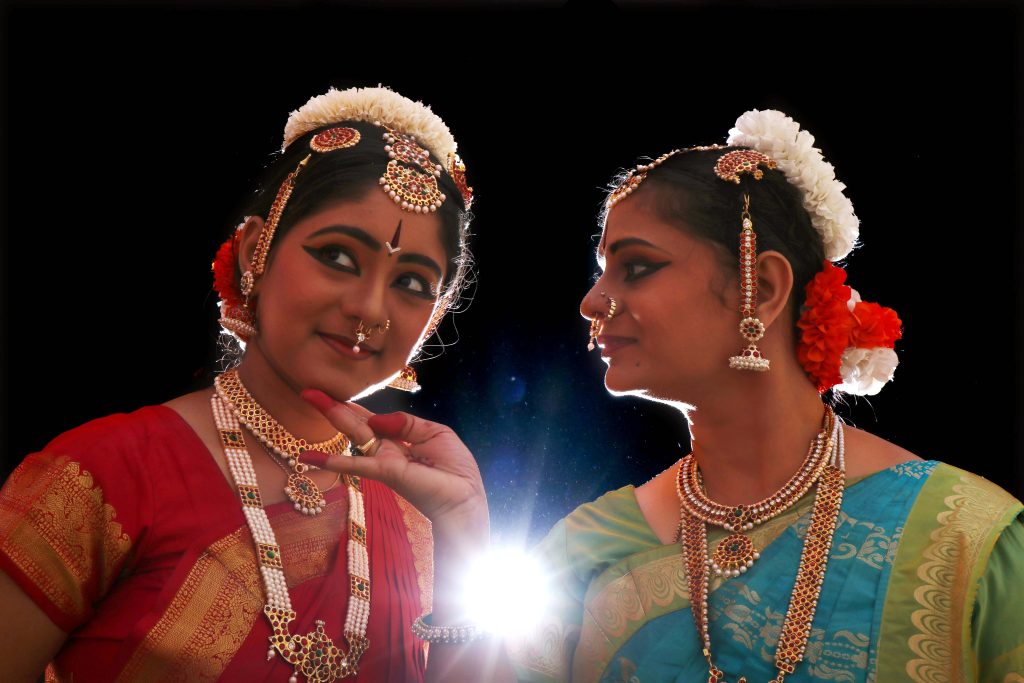
The dance form is renowned for its intricate footwork, rhythmic patterns, and the use of elaborate costumes and jewelry. Bharatanatyam performances often involve themes of devotion, love, and mythology, making it a powerful medium for storytelling. Despite its traditional roots, Bharatanatyam’s adaptability has allowed it to remain relevant in the evolving landscape of contemporary dance.
1.2 Bharatanatyam Meets Contemporary Dance
Fusion of Styles
One of the most exciting developments in the realm of contemporary dance is the fusion of Bharatanatyam with other dance forms. Choreographers and dancers are increasingly experimenting with blending classical Indian dance with modern and Western styles. This fusion not only introduces Bharatanatyam to new audiences but also creates innovative performances that challenge conventional boundaries.
For instance, contemporary choreographers may incorporate elements of ballet, hip-hop, or jazz into Bharatanatyam routines. This combination can produce a unique visual and emotional impact, merging the precision and elegance of Bharatanatyam with the dynamism and expressiveness of other dance forms. Such cross-genre performances can also highlight the versatility of Bharatanatyam, showcasing its ability to evolve while maintaining its core identity.
Innovative Choreography
Modern choreographers are also reinterpreting traditional Bharatanatyam compositions to suit contemporary themes and narratives. Traditional pieces, which were once exclusively devoted to religious or mythological subjects, are being adapted to address modern issues such as gender equality, social justice, and environmental concerns.
For example, contemporary Bharatanatyam performances might explore themes of identity and migration, reflecting the experiences of globalized societies. Choreographers often use traditional Bharatanatyam vocabulary and techniques while infusing their work with innovative concepts, multimedia elements, and unconventional staging. This creative approach allows Bharatanatyam to resonate with contemporary audiences while retaining its traditional essence.
The Role of Technology
Technology has also played a significant role in the evolution of Bharatanatyam within contemporary dance. The integration of digital media, projection mapping, and interactive elements into Bharatanatyam performances has opened up new possibilities for expression and engagement.
Choreographers may use video projections to create immersive environments or to enhance storytelling. For instance, a Bharatanatyam performance might incorporate video footage that complements the dance narrative, providing additional context or visual effects. Similarly, the use of lighting and sound technology can amplify the emotional impact of a performance, creating a more engaging and multidimensional experience for the audience.
Impact on the Dance Community
Expanding Audience Reach
The incorporation of Bharatanatyam into contemporary dance has helped expand its audience beyond traditional circles. Modern performances often appeal to diverse and international audiences who may not have been exposed to classical Indian dance otherwise. By blending Bharatanatyam with contemporary styles and themes, artists can reach new viewers and foster greater appreciation for the art form.
This broader appeal is also facilitated by performances in global dance festivals, collaborations with international artists, and the use of digital platforms. Social media, streaming services, and online platforms have made it easier for Bharatanatyam to gain visibility and attract followers from around the world. Consequently, the art form’s global presence has increased, leading to greater cross-cultural exchange and collaboration.
Encouraging New Generations
The fusion of Bharatanatyam with contemporary dance also plays a crucial role in inspiring new generations of dancers and choreographers. Young artists are drawn to the creative possibilities that arise from blending traditional and modern elements. This enthusiasm leads to a dynamic and evolving dance landscape where innovation and tradition coexist.
Educational institutions and dance schools are increasingly incorporating contemporary approaches to Bharatanatyam into their curricula. This exposure allows students to explore a range of techniques and styles, preparing them to contribute to the future of the art form. As a result, Bharatanatyam continues to thrive and evolve, driven by the creativity and vision of emerging artists.
1.3 Preserving Tradition While Embracing Change
Balancing Tradition and Innovation
One of the challenges in integrating Bharatanatyam into contemporary dance is maintaining a balance between preserving traditional practices and embracing innovation. While experimentation and fusion can breathe new life into the art form, it is essential to respect and honor its historical and cultural roots.
Choreographers and dancers who work with Bharatanatyam often strive to find this balance by blending traditional techniques with contemporary concepts in a thoughtful and respectful manner. This approach ensures that the essence of Bharatanatyam remains intact while allowing for artistic exploration and growth.
Celebrating Heritage
Despite its contemporary adaptations, Bharatanatyam continues to celebrate and preserve its rich heritage. Traditional performances, rituals, and training methods remain integral to the practice of Bharatanatyam, ensuring that future generations can experience and appreciate its historical significance.
Cultural festivals, workshops, and performances dedicated to Bharatanatyam play a vital role in preserving its traditions and passing them on to new audiences. These events not only highlight the art form’s historical importance but also demonstrate its ongoing relevance in the modern world.
Conclusion
Bharatanatyam’s journey into contemporary dance represents a vibrant and evolving intersection of tradition and innovation. Through the fusion of styles, innovative choreography, and the integration of technology, Bharatanatyam continues to captivate and inspire audiences worldwide. By embracing contemporary approaches while preserving its rich heritage, Bharatanatyam remains a dynamic and enduring art form that resonates with both traditional enthusiasts and modern viewers alike. As the art form evolves, it will undoubtedly continue to explore new horizons and contribute to the ever-expanding landscape of contemporary dance.
“This article was written as part of an assignment for Kallada Academy.”
#KalladaAIAssignment3.