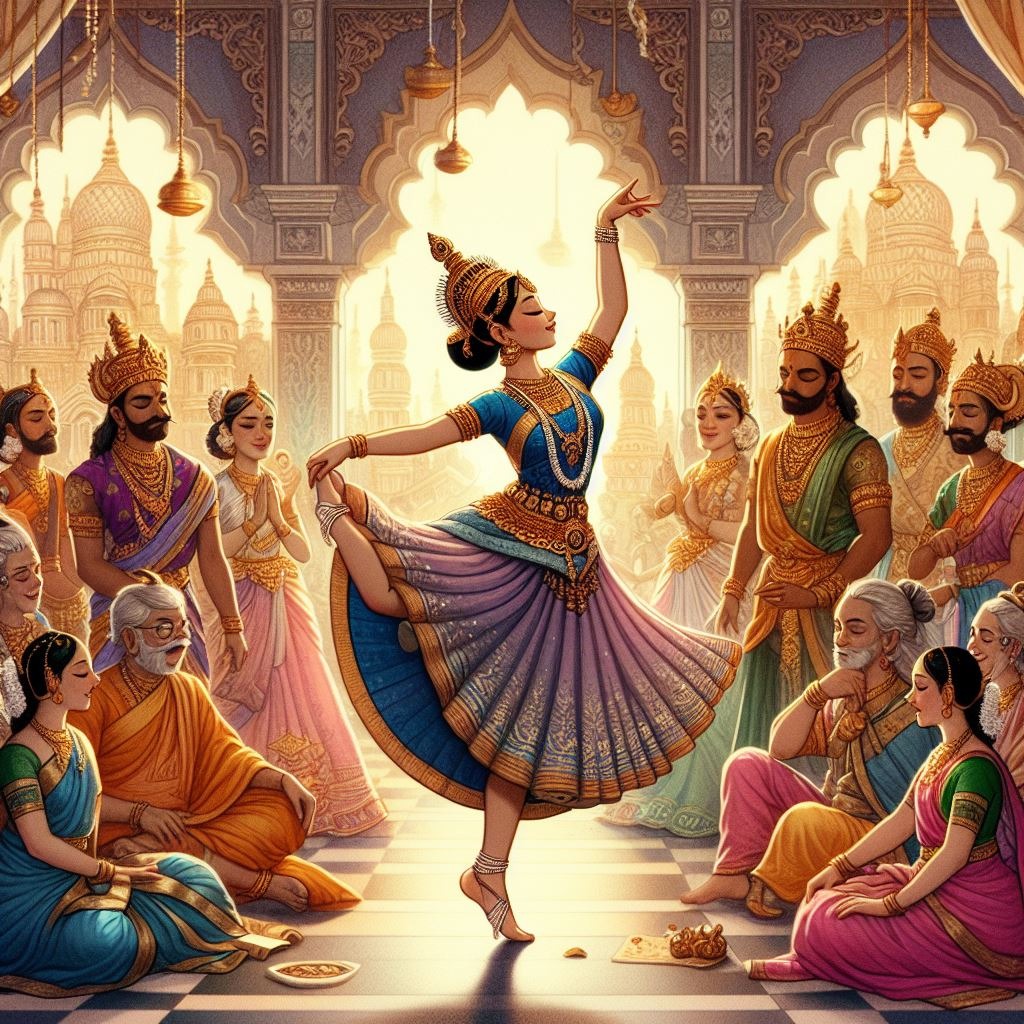
Bharatanatyam is revered as a classical art due to its centuries-old tradition, sophisticated techniques, and cultural significance. Here are a few reasons why it holds such esteem:
- Ancient Roots: Bharatanatyam has ancient origins, dating back thousands of years to the temples of South India. Its lineage can be traced through generations of dedicated practitioners who preserved and passed down its intricate movements and expressions.
- Technical Complexity: This dance form demands rigorous training and mastery of precise movements, gestures, and postures. From the intricate footwork to the nuanced facial expressions, Bharatanatyam requires exceptional skill and discipline.
- Cultural Heritage: Bharatanatyam is deeply intertwined with Indian culture, mythology, and spirituality. It often portrays stories from Hindu epics and scriptures, serving as a vehicle for cultural preservation and expression.
- Aesthetic Beauty: The grace, elegance, and symmetry inherent in Bharatanatyam performances make it a visual delight. Dancers exhibit impeccable control and poise, captivating audiences with their fluid movements and emotive storytelling.
- Spiritual Connection: Historically performed as a devotional offering in temples, Bharatanatyam has spiritual significance. It embodies divine beauty and expresses devotion to the gods, making it a revered form of worship and meditation.
- Continued Relevance: Despite its ancient origins, Bharatanatyam remains vibrant and relevant in contemporary times. It has evolved to embrace modern themes and interpretations while retaining its classical essence, ensuring its enduring appeal to audiences worldwide.
Overall, Bharatanatyam’s combination of history, technical mastery, cultural richness, and spiritual depth distinguishes it as a cherished classical art form.